
Landlord and Tenant Dispute Paralegal Services
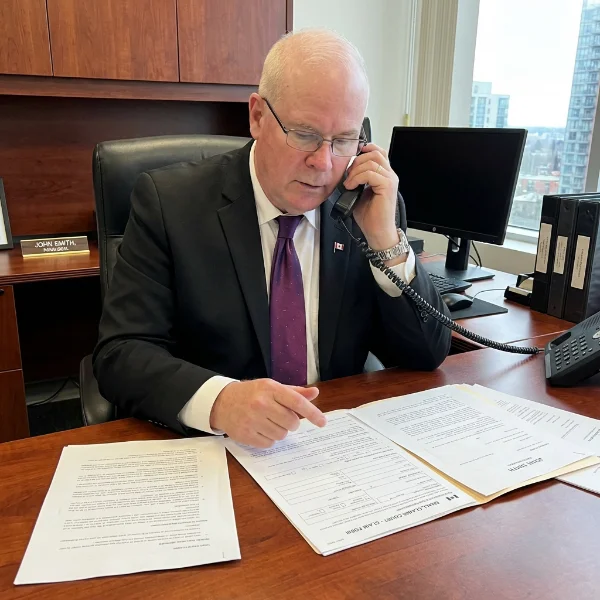
Landlord and Tenant Dispute Paralegal Services in Oshawa and Durham Region
Whether you are a landlord dealing with a tenant who has stopped paying rent, or a tenant facing an eviction you do not believe is lawful, the Landlord and Tenant Board can feel like an intimidating place to navigate on your own.
Online Paralegals LLP represents both landlords and tenants at the Landlord and Tenant Board (LTB) in Oshawa and across Durham Region. We are licensed by the Law Society of Ontario and we know the rules, the forms, and the process. We make sure your case is filed correctly, presented clearly, and argued effectively at your hearing.
Residential tenancy law in Ontario is governed by the Residential Tenancies Act, 2006. The rules are detailed, the forms are specific, and the deadlines are strict. Having a licensed paralegal in your corner makes a real difference in the outcome.
LTB Representation for Landlords in Durham Region
Owning a rental property in Durham Region comes with real legal responsibilities, and when something goes wrong with a tenancy, the LTB is where it gets resolved. We help landlords file the right applications, serve notices correctly, and represent them at every stage of the hearing process.
01
Non-Payment of Rent.
If your tenant has fallen behind on rent, the process starts with an N4 Notice to End a Tenancy Early for Non-payment of Rent. Under the current rules of the Residential Tenancies Act, the tenant has 14 days from the date of the notice to pay the full amount owed. If they do not pay, you can file an L1 Application with the LTB to both evict the tenant and collect the arrears.
We prepare and serve your N4 notice correctly, file your L1 application, and represent you at the hearing. Errors in the notice or the application are one of the most common reasons landlord applications are dismissed. We make sure everything is done right the first time.
02
Evictions for Cause
There are situations beyond non-payment where a landlord may have grounds to end a tenancy. These include a tenant who has caused serious damage to the unit, substantially interfered with the enjoyment of other tenants, or engaged in illegal activity on the property. Each of these situations requires a specific notice, a specific LTB application, and careful documentation of the conduct in question.
We assess your situation, advise you on the appropriate grounds and process, prepare the required notices, and represent you at the hearing.
03
Personal Use and Renovations
If you or a close family member genuinely need to occupy the rental unit, you may serve a tenant with an N12 notice. Under the current Residential Tenancies Act, this requires 60 days notice and compensation equal to one month’s rent. The rules around this type of application are detailed and the LTB scrutinizes them closely, particularly to prevent what is known as a bad faith eviction.
We ensure your application meets every legal requirement and that you are protected from a bad faith finding.
04
Collecting Rent Arrears
Even after a hearing, collecting what you are owed can require additional steps. If a former tenant owes you money under an LTB order and has not paid, there are enforcement options available including filing the order with the Small Claims Court for enforcement. We can advise you on the most practical path to collecting.
05
Above Guideline Rent Increases
If you have incurred extraordinary costs for capital repairs, significant renovations, or substantial increases in municipal taxes, you may be eligible to apply to the LTB for a rent increase above the annual guideline. An above guideline increase requires a formal application and supporting financial documentation. We help you prepare and present your case.
LTB Representation for Tenants in Durham Region
If you have received an eviction notice or you believe your landlord is not meeting their legal obligations, you have rights under the Residential Tenancies Act, 2006. Those rights are only useful if you know how to enforce them at the LTB. We represent tenants at the Landlord and Tenant Board in Oshawa and across Durham Region. We review the notices you have received, advise you on whether they are legally valid, and represent you at your hearing if you choose to dispute.
Disputing an Eviction Notice
Not every eviction notice is legally valid. Landlords must use the correct form, provide the proper notice period, and have legitimate grounds under the Residential Tenancies Act. If a notice does not meet these requirements, you may have grounds to challenge it at the LTB.
We review your notice, assess whether it is legally sound, advise you on your options, and represent you at a hearing if you choose to dispute. Missing a hearing or failing to respond can result in an eviction order being issued without your input.
Unlawful Rent Increases
For most rental units first occupied before November 15, 2018, your landlord cannot increase your rent by more than the annual guideline without LTB approval. The 2026 guideline is 2.1%. Your landlord must also provide at least 90 days written notice on the proper LTB form before any increase takes effect, and rent can only be increased once every 12 months.
If your landlord has raised your rent without proper notice, above the guideline without LTB approval, or more than once in a 12-month period, you may have grounds for a T1 application to recover the money you were overcharged. We assess your situation and help you file the appropriate application.
Maintenance and Repair Issues
Your landlord is legally required to maintain your rental unit in a good state of repair and comply with health and safety standards under the Residential Tenancies Act. If your landlord is not addressing serious maintenance problems, mold, heat, pests, or structural issues despite your requests, you may be able to file a T6 application with the LTB seeking an order for repairs and a rent abatement.
We review your documentation, assess the strength of your application, and represent you at the hearing.
Harassment and Interference with Quiet Enjoyment
You have the right to reasonable enjoyment of your home. If your landlord is entering your unit without proper notice, harassing you, cutting off services such as heat or hydro, or attempting to pressure you into leaving, these are serious violations of the Residential Tenancies Act. A T2 application can be filed to seek compensation and orders to stop the conduct.
We assess your situation, document the interference, and file the appropriate application on your behalf.
How We Represent You at the Landlord and Tenant Board
We Start With a Case Review
Before we file anything, we review your situation. We look at the notices or applications involved, the documentation you have, and your timeline. You get a clear picture of where you stand and what your options are before you commit to anything.
We Prepare and File the Correct Application
The LTB has specific application forms for every type of dispute. Filing the wrong form, or filing the right form with missing information, can result in delays or dismissal. We prepare all applications and supporting documents on your behalf and file them correctly.
We Represent You at the Hearing
LTB hearings are conducted online by videoconference in most cases. We attend and present your case to the LTB adjudicator. We cross-examine the other side if needed, respond to their arguments, and advocate for the outcome you need. You do not have to face the process alone.
We Help You Understand the Decision and Next Steps
After a hearing, the LTB issues a written order. We explain what it means, what you are required to do, and what your options are if you disagree with the outcome. If an order needs to be enforced or reviewed, we advise you on the appropriate next steps.
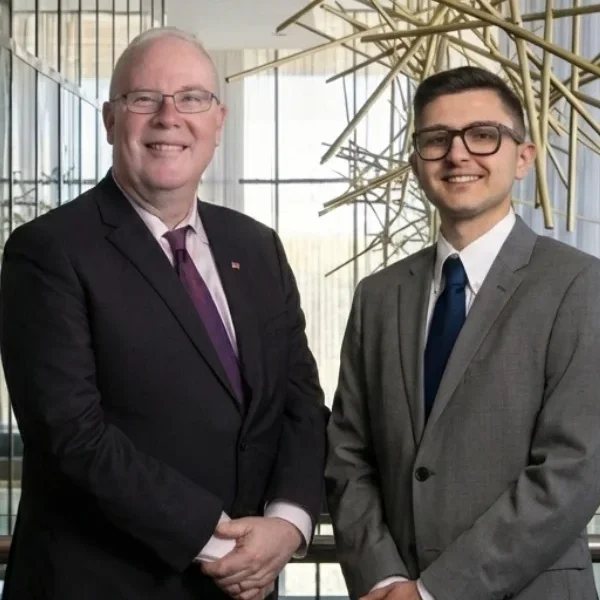
Why Choose a Licensed Paralegal for Your LTB Matter?
Licensed paralegals have full authority under the Law Society of Ontario to represent both landlords and tenants at the Landlord and Tenant Board. This is one of the core practice areas for Ontario paralegals, and we bring focused experience to every LTB matter we handle.
The practical advantages are cost and accessibility. LTB disputes rarely justify law firm billing rates. A licensed paralegal gives you professional, prepared representation at a fee structure that makes sense for the nature of the dispute.
We are also local. Our office is at 50 Richmond Street East in Oshawa. We know Durham Region and we are available to our clients directly throughout their matter, not through layers of support staff.
Serving Landlords and Tenants Across Durham Region
We represent clients at the Landlord and Tenant Board from our office in Oshawa, serving all of Durham Region including Whitby, Ajax, Pickering, Clarington, and Bowmanville. LTB hearings are conducted online by videoconference, which means we can represent you effectively regardless of where in Durham Region you are located.
Whether you are a landlord managing a single rental property in Oshawa or a tenant in Pickering dealing with an unlawful eviction notice, we are here to help.
A Note on Recent Changes to Ontario Tenancy Law
Ontario’s Bill 60, the Fighting Delays, Building Faster Act, 2025, received Royal Assent on November 27, 2025. It contains proposed amendments to the Residential Tenancies Act that would change several LTB procedures, including notice periods and hearing rules. As of April 2026, the RTA amendments under Bill 60 are not yet in force. They require a formal proclamation from the provincial government before they take effect. The existing rules under the Residential Tenancies Act continue to apply to all active tenancies and open LTB applications.
Tenancy law in Ontario is changing. If you are a landlord or tenant with questions about how current or upcoming rules apply to your situation, speaking with a licensed paralegal is the most reliable way to get accurate, up-to-date guidance.